Building Hope, Community & Human Connection
A month of humanitarian outreach, volunteer engagement, meaningful conversations, and community connection in New York.
A campaign built around people.
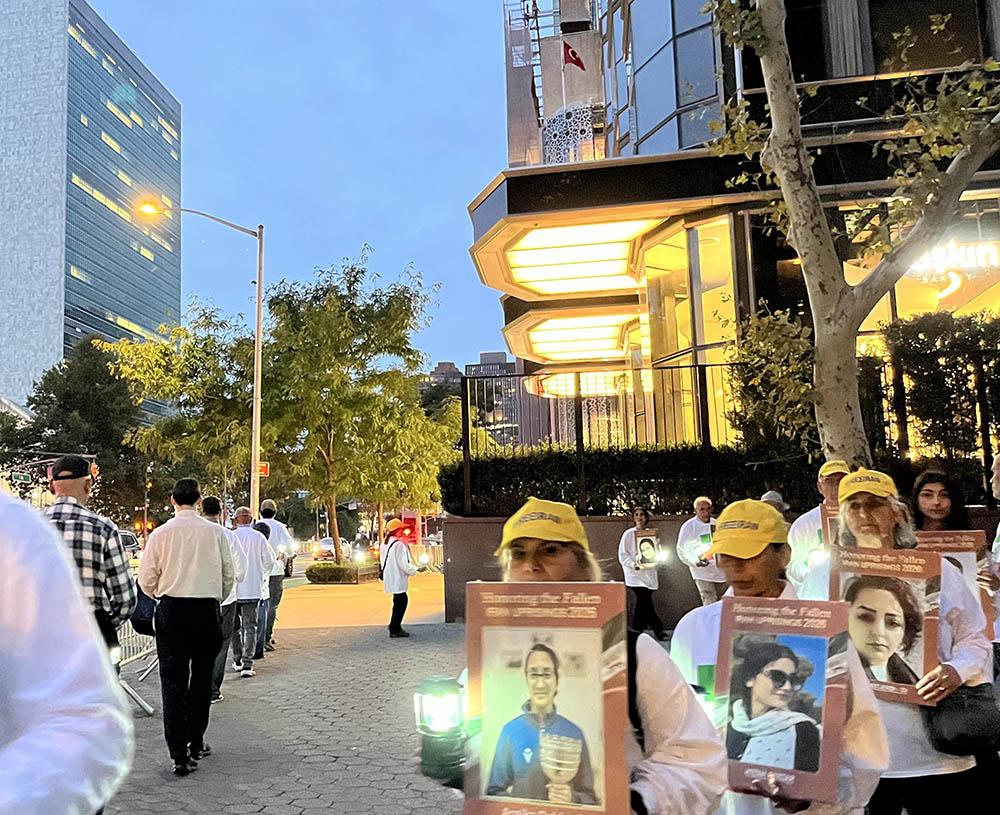
In September, Hope Without Borders Network (HWBN) launched its first public campaign in New York, bringing together nearly 35 dedicated volunteers from diverse backgrounds. The volunteer team included students, researchers, former political prisoners, women’s representatives from different states across the United States, and representatives of ethnic and religious minorities who had been forced to leave Iran because of repression and pressure.
The campaign focused on two interconnected humanitarian goals: raising awareness about executions and calling for support for people affected physically and psychologically by violence, repression, and displacement.
More than a public awareness campaign, however, our September initiative became an opportunity to build relationships, encourage dialogue, reduce social isolation, and create a sense of community among people who had experienced hardship.
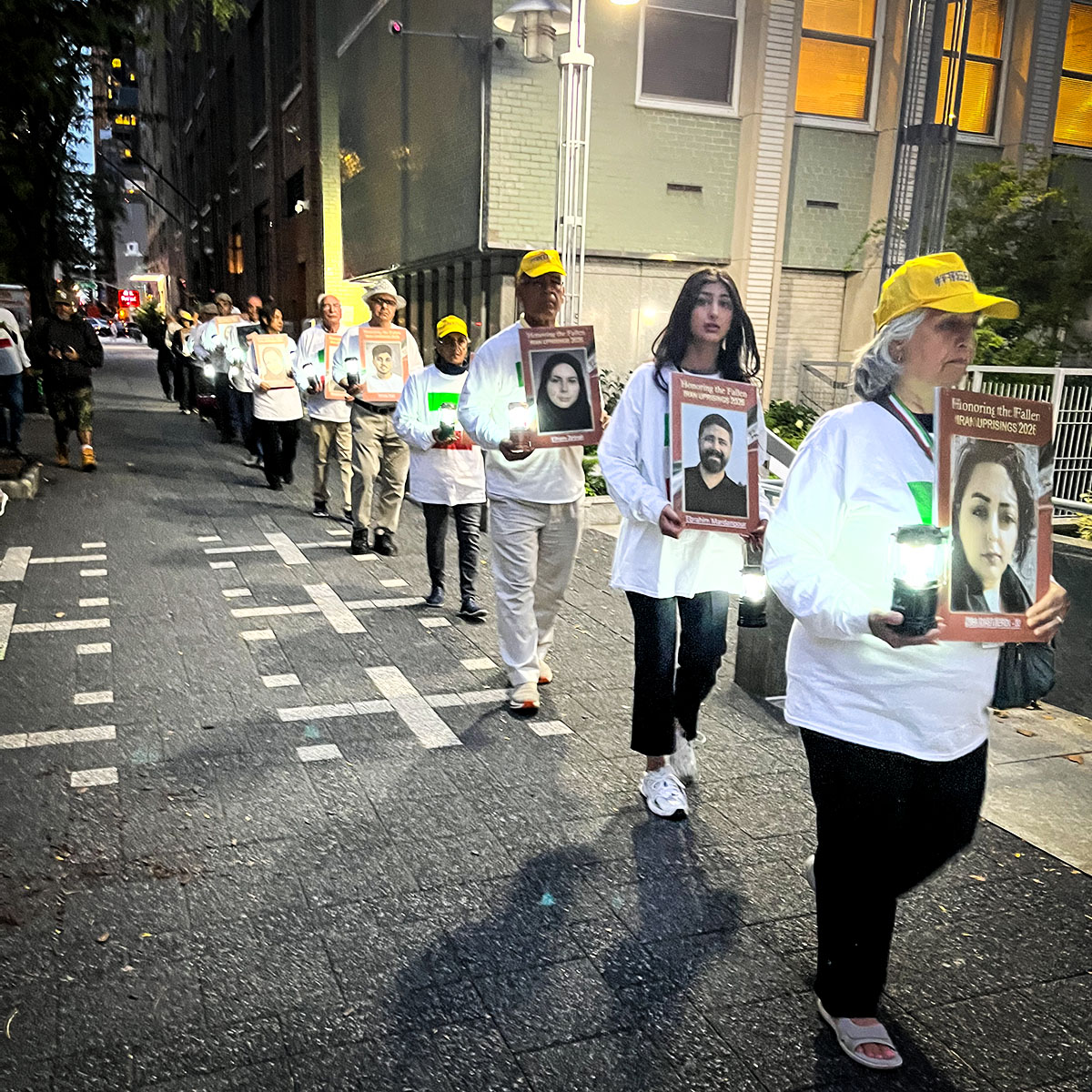
Change begins with human connection.
New York City and its residents played an important role in our September activities.
During our vigil near the United Nations, we had meaningful encounters with people from different backgrounds. An NYU student stopped and spent several minutes with our volunteers. A Spanish-speaking mother, while returning from taking her child to a language class, stopped to ask about the purpose of our vigil.
These moments were important to us because they reflected one of the central principles of HWBN: change begins with human connection.
Our objective was not simply to speak to people, but also to listen to them. We wanted to create opportunities for ordinary members of the public to ask questions, share their experiences, and learn about the experiences of others.
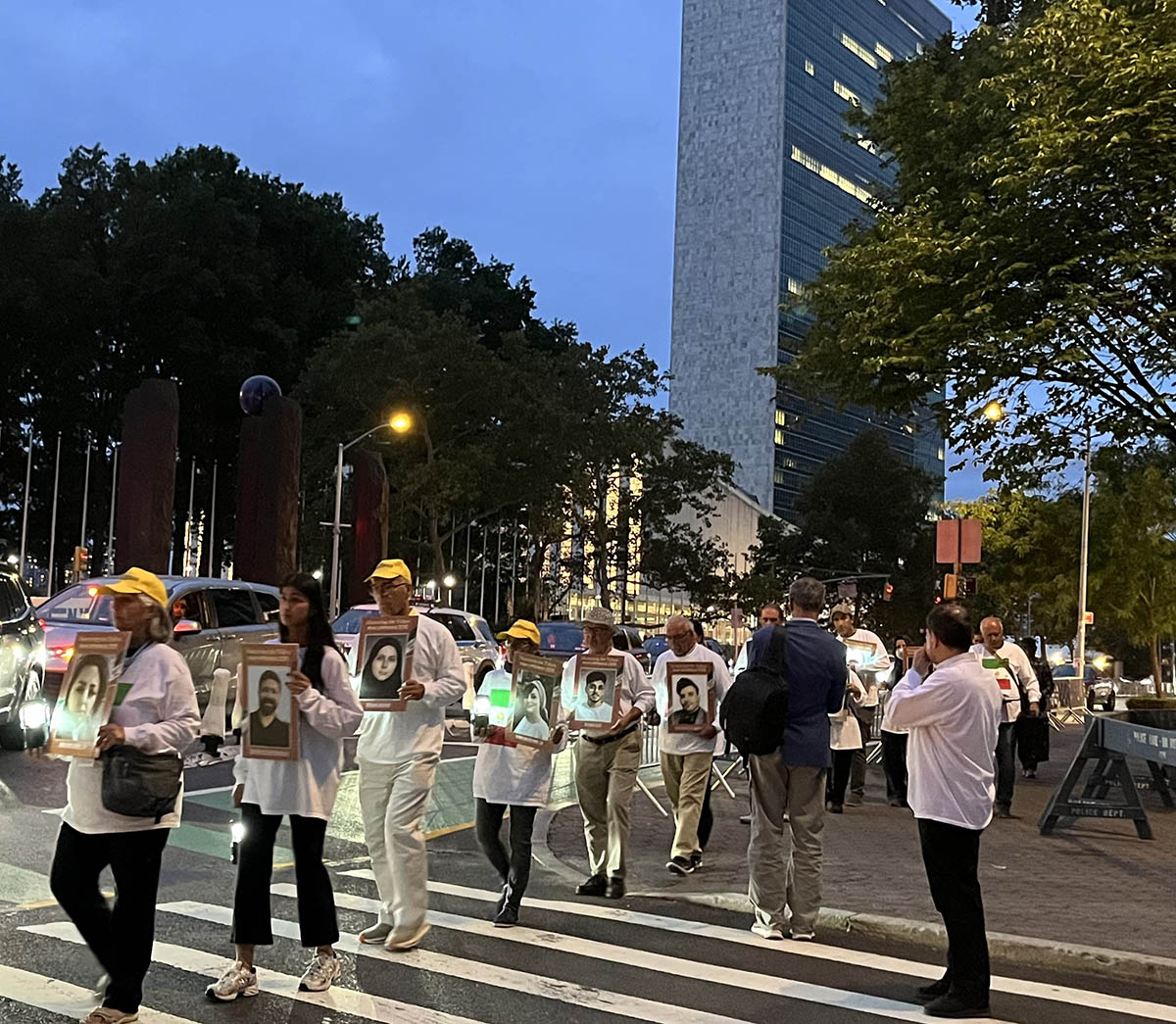
Bringing human stories into the conversation.
September brings representatives and political leaders from around the world to New York for the United Nations General Assembly.
While world leaders gather to discuss international affairs, our volunteers worked outside the United Nations to bring attention to another dimension of global issues: the human stories behind political, social, and economic crises.
We reached out to people regardless of the language they spoke—English, French, Persian, Azerbaijani, or another language.
For us, the language was not the most important thing. What mattered was creating an opportunity for people to listen to one another.
Our volunteers used the opportunity created by the international attention surrounding the United Nations to share HWBN’s humanitarian goals and to draw attention to people who are struggling to move beyond experiences of discrimination, repression, displacement, and social and economic hardship.
Different backgrounds. One shared belief.
The success of the campaign depended heavily on the commitment of our volunteers.
Our volunteers came from different personal, professional, cultural, and geographic backgrounds. Yet they were united by a common belief: that people who have experienced hardship should have opportunities to rebuild their lives, connect with others, and contribute to their communities.
The work was not always easy. Reaching people amid the intense political and media attention surrounding the United Nations required patience, persistence, and empathy.
For HWBN, however, the difficulty of the work is part of the reason volunteer engagement matters.
Every conversation, every person who stopped to listen, and every new connection represented an opportunity to build understanding and hope.
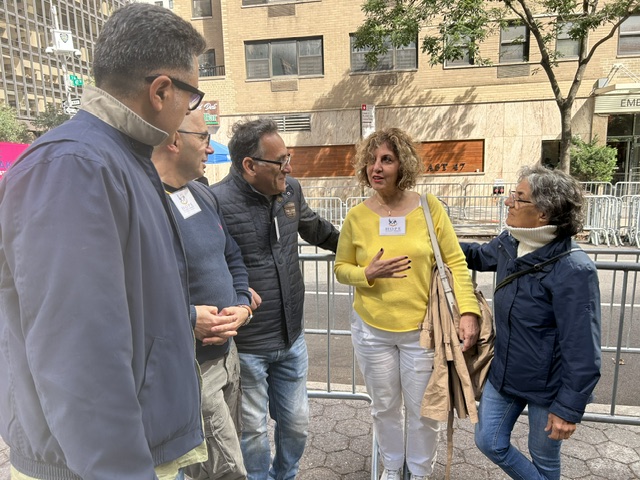
Impact can also be found in a conversation, a new friendship, a person who decides to participate, or someone who finds the confidence to speak with others again.
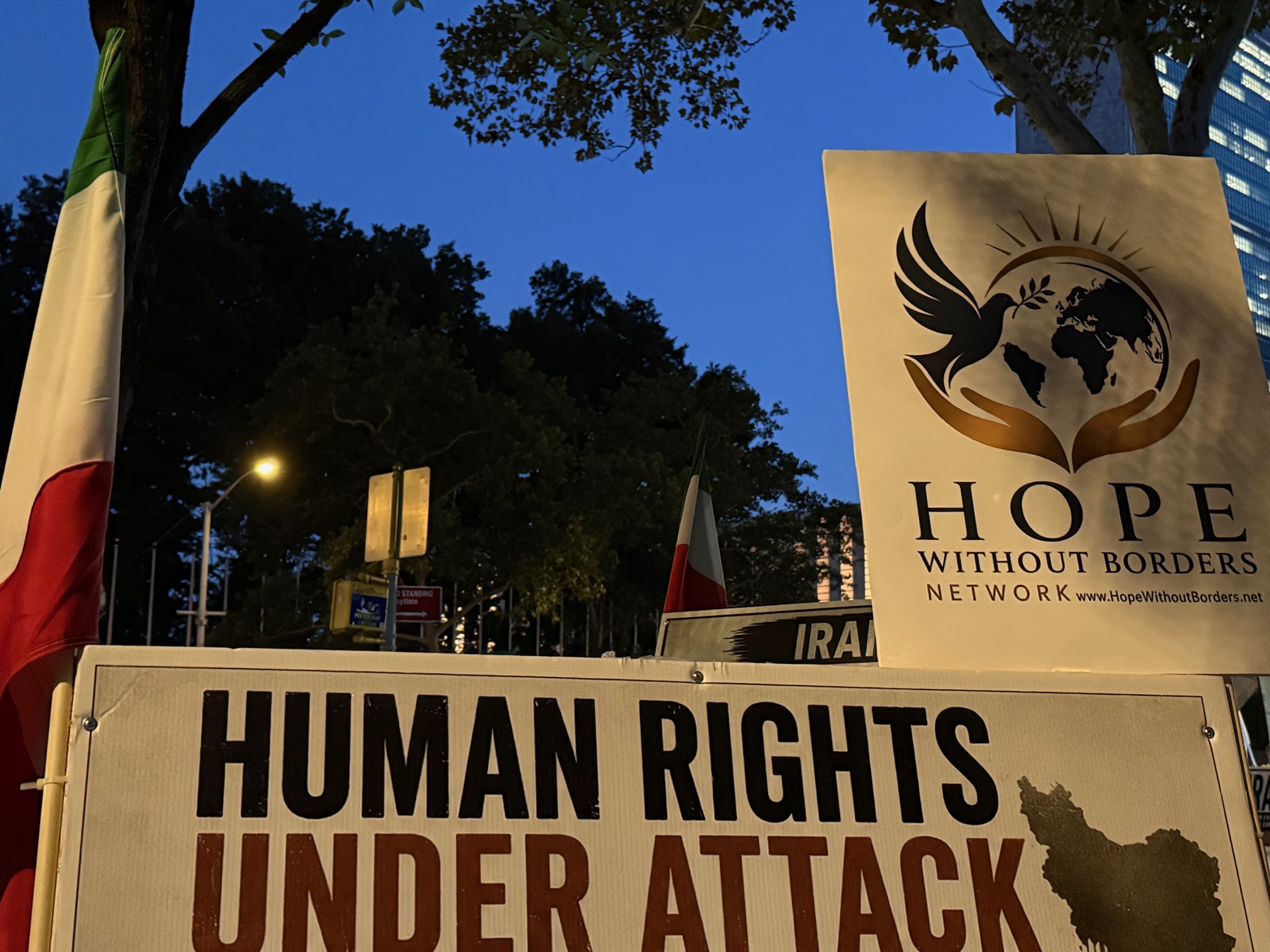
From isolation toward connection.
One of the most meaningful outcomes of the campaign was our ability to connect with people who had become socially isolated or withdrawn from community life.
Some individuals had experienced significant personal or family hardship and had gradually distanced themselves from social interaction. Our activities provided an opportunity for some of them to begin speaking with others again, listening to different perspectives, forming friendships, and participating in community activities.
One example was “Soraya” (a pseudonym), a 22-year-old woman who had left Iran after pressures and difficulties affected her family. During the campaign, she became involved alongside her Azerbaijani friend and began engaging with other participants.
For the psychologists and sociologists who volunteer their time and expertise to support HWBN programs, experiences like this are particularly meaningful.
Rethinking what humanitarian impact can look like.
The September campaign taught us that humanitarian outreach is not measured only by the number of people who attend an event or receive information.
Impact can begin with a conversation.
A meaningful conversation can create trust, understanding, and a sense that someone is being heard.
Connection can reduce isolation.
Welcoming environments can help people reconnect with others and participate in community life.
Volunteers can become bridges.
People from very different backgrounds can contribute to a shared humanitarian effort and connect communities together.
Everyone has something valuable to contribute.
Students, researchers, former political prisoners, community members, immigrants, and others can all bring valuable experiences and perspectives.
The beginning of something bigger.
The September campaign was an important beginning for Hope Without Borders Network.
It demonstrated the value of combining advocacy with community engagement and humanitarian support. It also reinforced our belief that addressing hardship requires more than raising awareness—it requires creating opportunities for people to connect with one another.
As HWBN develops future campaigns, we hope to build on the lessons and relationships created in New York.
Hope is something communities can create together.
Hope Without Borders Network believes that hope is not simply
something we talk about—it is something communities can create
together.
Through our volunteers, community partners, supporters, and
participants, we will continue working to build bridges across
borders, cultures, languages, and experiences.
We look forward to carrying its lessons, relationships, and spirit of hope into the campaigns and community programs ahead.
